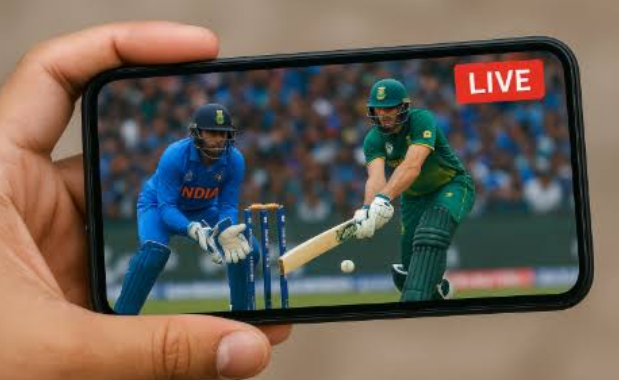
A fan watching cricket on a phone may see something puzzling: the score on one screen still shows the previous ball, yet the live market has already moved. Seconds later, the video reveals a boundary, wicket, or review. Nothing supernatural happened. The screens were simply receiving information through different routes. Live cricket is distributed through data feeds, streaming services, television signals, apps, and websites that do not arrive at the user at exactly the same moment. Once that delay is recognized, changing odds become easier to interpret. They are part of a real-time system reacting to incoming events, not a secret preview of what is about to happen.
The same ball can reach different screens at different times
A page showing desi betting odds cricket live may update after its data provider registers an event, while the viewer’s video stream is still several seconds behind. The gap can be small, but in cricket a few seconds are enough for the next screen to feel ahead of the action. Streaming delay may come from encoding, distribution, buffering, device performance, or the viewer’s connection. A score feed may take another path entirely. Comparing the two as though they share one clock creates the impression that one service knows the future when it is really displaying the present sooner.
This effect becomes more obvious during short formats, where each delivery can change the required rate or match position quickly. A six, wicket, no-ball, or successful review can alter several live figures at once. The safest way to read the screen is to check the over and ball number rather than relying on the video alone as the timing reference.
Suspended markets often explain sudden gaps
Live markets may pause around moments when the state of play is uncertain or changing rapidly. A review is one obvious example. The ball may have ended, but the final decision has not been confirmed. Similar pauses can occur around wickets, boundaries, injuries, or technical interruptions. When the market returns, the price may be different because the underlying match situation has changed. A brief disappearance or locked button therefore does not necessarily mean the service failed. The screen should, however, make the unavailable state clear rather than leaving the user to guess whether an action can still be accepted.
A useful interface also separates a changed price from a completed action. If someone selected a value before the market moved, the confirmation screen should show the price actually accepted. Without that clarity, users may remember the earlier number and assume the platform changed it afterward. Precise status wording prevents many disputes.
A moving price is still not a forecast
When a number shortens sharply after a wicket or a strong over, it can look as though the market has discovered the likely winner. The movement is better read as a reaction to the current information. Cricket remains capable of changing again within one delivery. A dropped catch, unexpected partnership, rain interruption, or tactical decision can shift the match in another direction. Treating every move as a prediction encourages viewers to chase the screen rather than read the match.
What to compare when two live screens disagree
- The over and ball number shown on each service.
- The timestamp of the latest score update.
- Whether one screen is a video stream and the other a data feed.
- Whether a review or market suspension is in progress.
- Whether the displayed price is current or already replaced.
- Whether the user has a fixed spending limit before acting.
Adults still need boundaries when the match speeds up
A close finish can create urgency because every ball appears to demand a response. Adults who choose live betting where it is permitted should remove one decision from that pressure by setting the entertainment budget before play begins. The amount should stay fixed through wins, losses, reviews, and dramatic overs. Rent, food, medicine, transportation, debt payments, and family expenses should never become part of the session. A viewer who feels compelled to recover a previous result is no longer simply reacting to cricket. That is the point to close the market page.
The same principle applies to tiredness and frustration. Live sports can run late, especially across time zones. Decisions made after hours of viewing may feel less deliberate than they did before the toss. A break can be more useful than trying to interpret one more price move.
Once the clocks are separated, the screen makes more sense
Most confusion around live odds and delayed broadcasts comes from treating several systems as one perfectly synchronized feed. They are not. The video, scorecard, market, and group chat can all be at slightly different points in the same match. Watching the over number, timestamps, and suspension states makes those differences easier to recognize. It also removes some of the mystery from rapid price changes. The market is reacting to information as it arrives. The viewer’s task is simply to know which version of the match each screen is currently showing.
